

8 Things to Do After Unprotected Sex
It happens. A condom breaks, the moment gets carried away, or protection simply was not part of the plan.
Whatever the circumstances, unprotected sex leaves a lot of people in a fog of uncertainty about what to do next. The good news is that there are clear, practical steps you can take in the hours, days, and weeks that follow to protect your health and your peace of mind.
This is not a list designed to shame anyone. It is a calm, honest guide to taking care of yourself.

1. Consider Emergency Contraception Quickly
If pregnancy is a concern, time is genuinely working against you, so this is the first thing to address.
The morning-after pill (the most common being levonorgestrel, sold as Plan B) is most effective when taken within 72 hours of unprotected sex, though it can be used up to five days later. Its effectiveness decreases as time passes, which is why sooner is always better. You can pick it up at most pharmacies without a prescription.
The copper IUD is an even more effective option. According to guidelines from the CDC, it can be inserted up to five days after unprotected sex and reduces pregnancy risk to less than 0.1 percent. It also has the added benefit of continuing to work as long-term contraception for up to ten years after insertion.
If weight is a factor, the IUD is worth noting: unlike some pill-based options, its effectiveness is not affected by body weight.
If you are unsure which option is right for you, a pharmacist, GP, or sexual health clinic can walk you through the decision without judgment.

2. Wash the External Area Gently
A gentle wash of the external genital area with plain warm water or a mild, unscented soap is a reasonable step. It is clean, sensible, and takes about thirty seconds.
What you should absolutely not do is douche or use harsh internal cleansers inside the vagina. The vagina is self-cleaning and maintains a careful balance of bacteria that protects against infection.
Disrupting that balance with aggressive cleaning can actually increase the risk of bacterial vaginosis or yeast infections rather than reducing it. External only, and gentle.
3. Go to the Bathroom and Pee

You have probably heard this one before. Urinating after sex is widely recommended as a way to flush bacteria out of the urethra before they have a chance to travel up into the bladder and cause a urinary tract infection.
The honest version of this advice is that the evidence is somewhat limited. As researchers at McGill University note, existing studies have not found a definitive link between post-sex urination and reduced UTI rates. However, because the intervention is completely harmless and costs nothing, many doctors continue to recommend it, particularly for people who have a history of recurrent UTIs.
The logic is sound even if the data is not conclusive: urine is bacteria-free and can help physically rinse the urethra. If you are someone who gets UTIs frequently after sex, this is worth making a consistent habit.
4. Talk Openly With Your Partner
This one can feel uncomfortable, but it matters more than most people give it credit for.
If you have concerns about pregnancy, STIs, or what happens next, say so. An honest conversation gives both of you the chance to make informed decisions together, including whether to pursue testing, whether emergency contraception makes sense, and what you each want in terms of follow-up care.
Good communication in the aftermath of unprotected sex is not just emotionally healthier. It is practically smarter. Knowing your partner’s recent testing history and sexual health status helps you both make better decisions about timing and urgency for your own next steps.
5. Get Tested for STIs

This is a step many people either skip or put off indefinitely, and it is one of the most important things on this list.
The timing of STI testing matters because of what is known as the window period: the gap between exposure and when an infection becomes detectable on a test. Testing too early can produce false negatives that give you false reassurance.
For bacterial infections like chlamydia and gonorrhea, waiting about one to two weeks after exposure generally provides accurate results. For HIV, most tests can detect the virus after about two to four weeks, though a follow-up test at three months is recommended for full confidence.
One of the most important things to understand about STIs is that many of them produce no symptoms at all, particularly in the early stages. You can feel completely fine and still be carrying and transmitting an infection. The only way to know is to test. Most sexual health clinics, GP offices, and at-home testing services make this straightforward and confidential.
If you may have been exposed to HIV specifically within the last 72 hours, ask about PEP (Post-Exposure Prophylaxis), a course of medication that can significantly reduce the risk of infection if started quickly.

6. Monitor Your Body for Symptoms
In the days and weeks following unprotected sex, pay attention to what your body is telling you.
Signs that something may need medical attention include unusual discharge, pain or burning during urination, itching or irritation, unexplained sores or blisters, pelvic discomfort, or a fever without an obvious cause. For those with uteruses, tracking your next period is also worth doing if pregnancy is a concern.
None of these symptoms is a reason to panic, but all of them are reasons to see a doctor rather than waiting and hoping they resolve on their own. Early detection of any STI makes treatment faster, easier, and far less complicated.
7. Take a Pregnancy Test at the Right Time
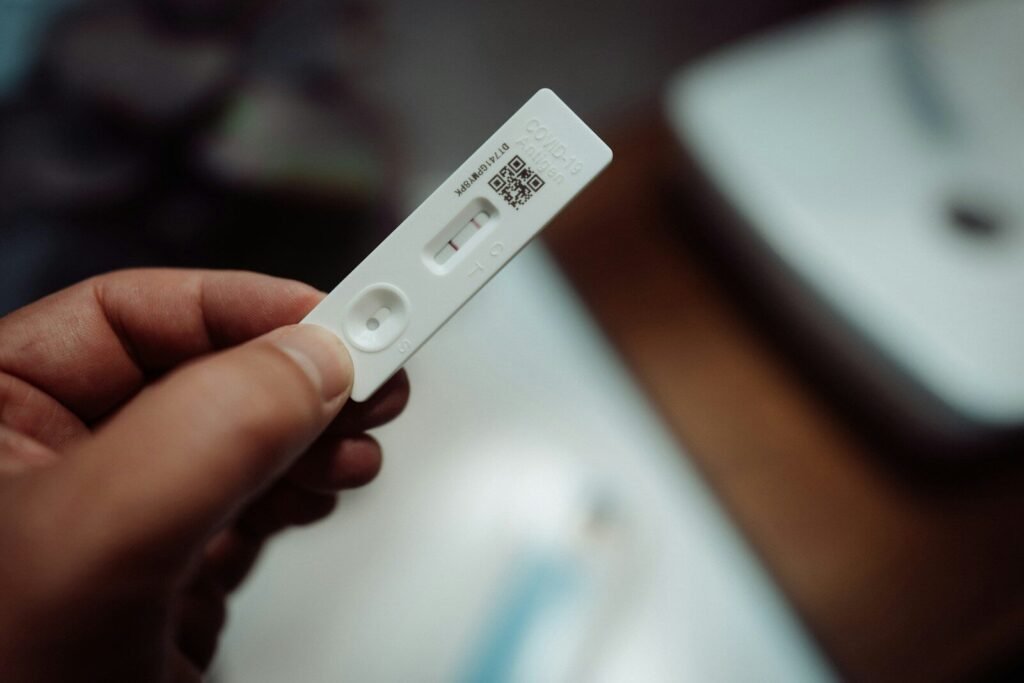
If you took emergency contraception, it is worth knowing it is not 100 percent effective. If pregnancy remains a possibility and your period does not arrive on schedule, a home pregnancy test is your next step.
Home tests are highly reliable when taken at the right time: generally about three weeks after the unprotected sex occurred, or from the first day of a missed period. Testing earlier than that can produce inaccurate results.
If the test is positive, reaching out to a healthcare provider as soon as possible gives you access to information, support, and all available options without any pressure.
8. Plan for Safer Sex Going Forward
The final step is less about what happened and more about what comes next.
Think honestly about what made protection unavailable or unprioritized in this situation and what would make it easier to use consistently going forward. That might mean keeping condoms somewhere more accessible, talking to a doctor about ongoing birth control options, or scheduling regular STI testing as a standing habit rather than a reactive one.
Consistent condom use remains the only method that provides meaningful protection against both pregnancy and STIs simultaneously. For people in established relationships, combining hormonal birth control with regular testing is a common and practical approach.
Taking your sexual health seriously is not about fear. It is about giving yourself the information and tools to make choices that feel good in every sense, not just in the moment.
This article is for informational purposes only and does not constitute medical advice. If you have specific health concerns, please consult a qualified healthcare provider or visit a sexual health clinic.