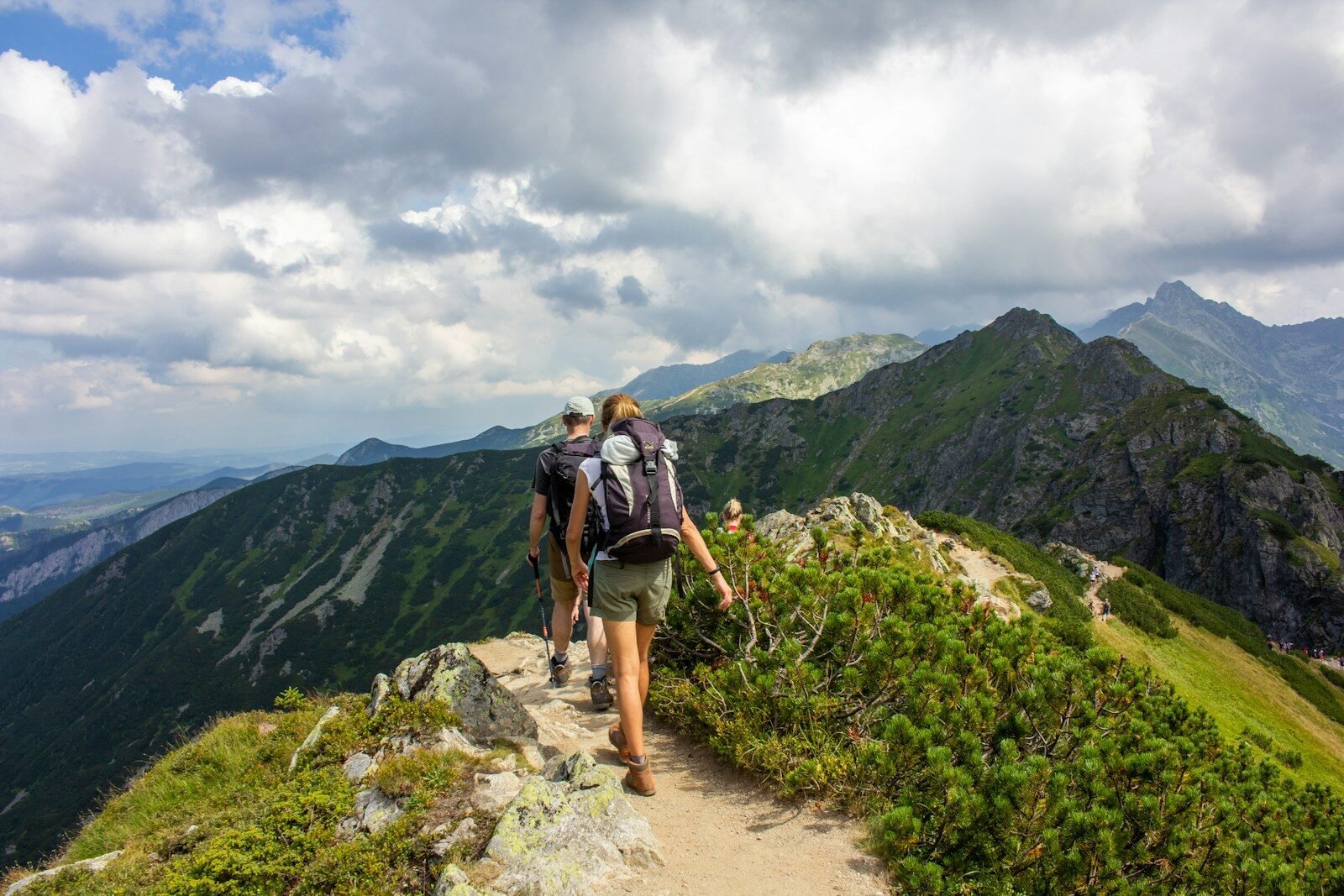
20 Cheap Outdoor Date Ideas for Nature-Loving Couples
The average American spends $2,279 on dates every single year. That works out to nearly $168 every time you go out. Dinner, drinks, a movie, maybe an Uber, and suddenly a Tuesday night costs more than your grocery run.
And honestly? Most of those dates feel the same. You sit across from each other at a loud restaurant. You stare at a screen in a dark theater. You come home full but not exactly closer.
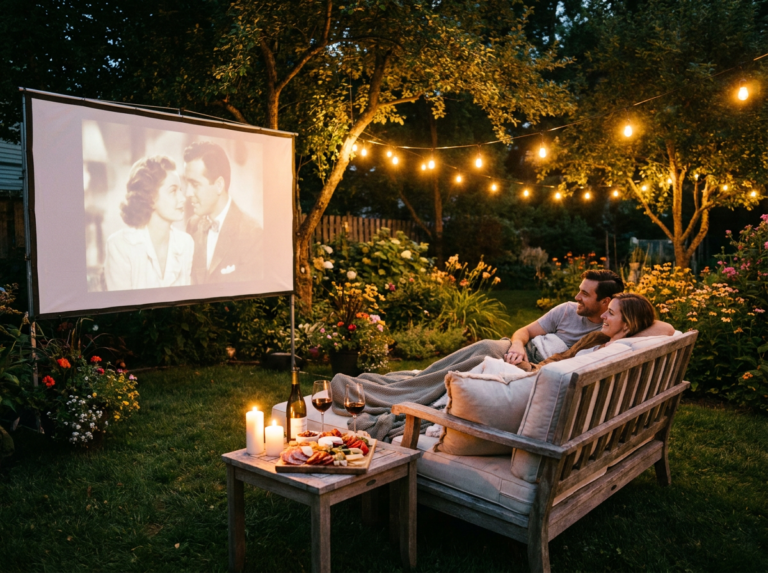
If you love being outside, there is a better way. Nature dates cost almost nothing. And research actually shows they are better for your relationship than expensive nights out.
This article gives you 20 real, specific outdoor date ideas you can plan this weekend. Most are completely free. All of them work. You will also find the exact apps and tools that make planning easy, so you are not guessing at what to do or where to go.

Why Nature Dates Are Actually Better for Your Relationship
Before you scroll to the list, read this part. It changes how you think about why these dates work so well.
Researchers Arthur Aron and colleagues found that couples who try new activities together feel more satisfied in their relationships. The reason is oxytocin, sometimes called the love hormone. It goes up when you share something novel or slightly challenging. A trail you have never been on. A bird you have never seen. A fire you built together. These moments create a real chemical bond.
There is also the stress piece. Nature lowers cortisol, which is the hormone your body makes when you are stressed. When both of you are calmer, you talk more openly. You listen better. You do not start fights over small things. Therapist Ross Kling writes that outdoor time together amplifies the individual benefits of being in nature because you both feel it at the same time.
And here is the shared interest angle. A study by Geiger and Livingston found that 64% of couples say shared interests are a key reason their relationship works. Not big romantic gestures. Not expensive trips. Just doing things you both enjoy, together, regularly.
Your phone goes in your pocket on a trail. You can not scroll during a sunset hike. The conversation has nowhere else to go but forward.
Nature is not a budget compromise. It is genuinely a better setting for connection.
How Much You Can Save With These Dates
A movie date for two now averages $42.66 just for tickets and popcorn. That does not include drinks, dinner before, or a ride home. In New York, two movie tickets and a large popcorn costs $57.92.
Most of the dates on this list cost nothing. A few cost $5 to $20 total, usually for food. Here is a quick look at what you are working with.
| Date Idea | Cost |
|---|---|
| Sunrise or Sunset Hike | Free |
| Waterfall Picnic | $5 to $15 |
| Wildflower or Foliage Hunt | Free |
| Geocaching | Free |
| Stargazing Hike | Free to $10 |
| National Park Free Entrance Day | Free |
| State Park Day Trip | $5 to $10 |
| Riverside Walk | Free |
| Trail Campfire Cooking | $10 to $20 |
| Bird Watching Morning | Free |
| Photography Hike | Free |
| Winter Snow Hike | Free |
| Foraging Walk | Free to $5 |
| Trail Running Date | Free |
| Hammock Camping Night | Free to $10 |
| Botanical Garden or Arboretum | Free to $10 |
| Nature Journaling Date | $5 to $10 (one-time supplies) |
| Cloud Watching + Blanket Date | Free |
| Local Waterfall or Covered Bridge Hunt | Gas money |
| Volunteer Trail Maintenance Day | Free |
None of these require special gear to start. You just need to show up.
20 Budget Hiking and Nature Date Ideas for Couples
1. Sunrise or Sunset Hike
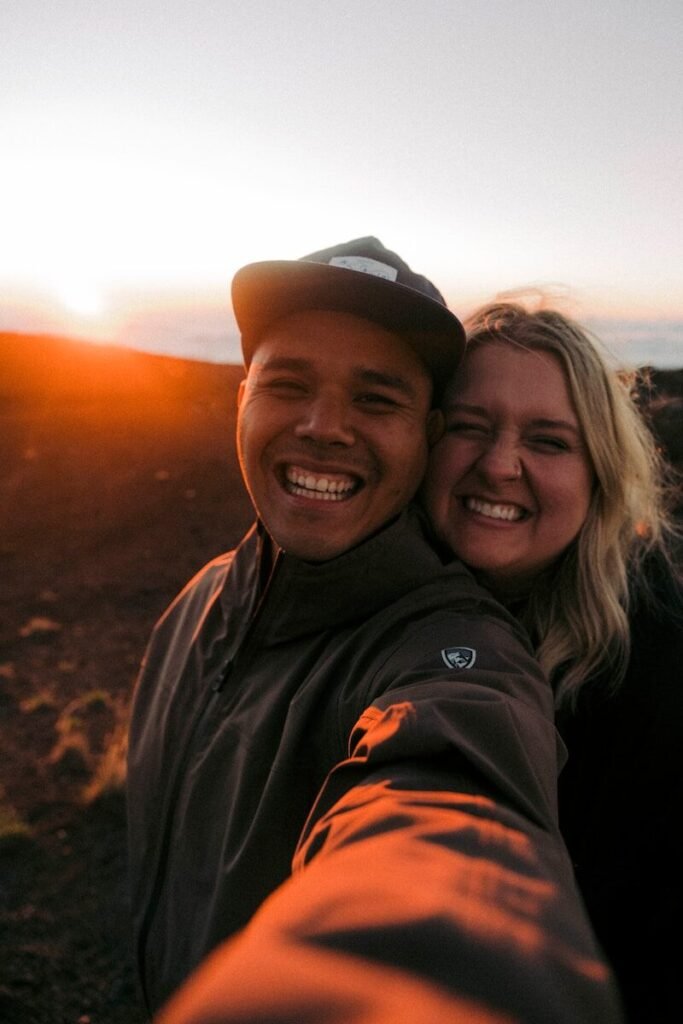
Pick a trail with a viewpoint or overlook. Time your hike so you arrive right at golden hour. Bring coffee in a thermos for a sunrise hike or a small bottle of wine for sunset.
The light at sunrise and sunset makes everything look more beautiful. There are almost no other people on the trail that early or that late. It feels like the view belongs to just the two of you.
Cost is free, plus whatever you bring to drink.
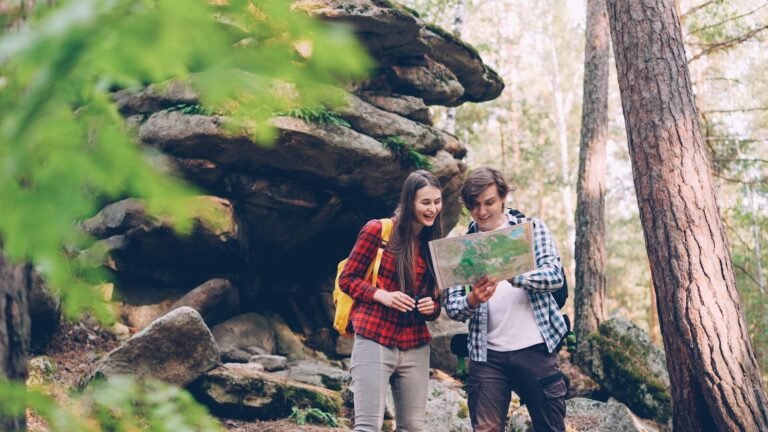
Use AllTrails to find trails near you. Filter by “views” under the Features tab. The free version of the app works perfectly for this.
2. Trail Picnic at a Waterfall
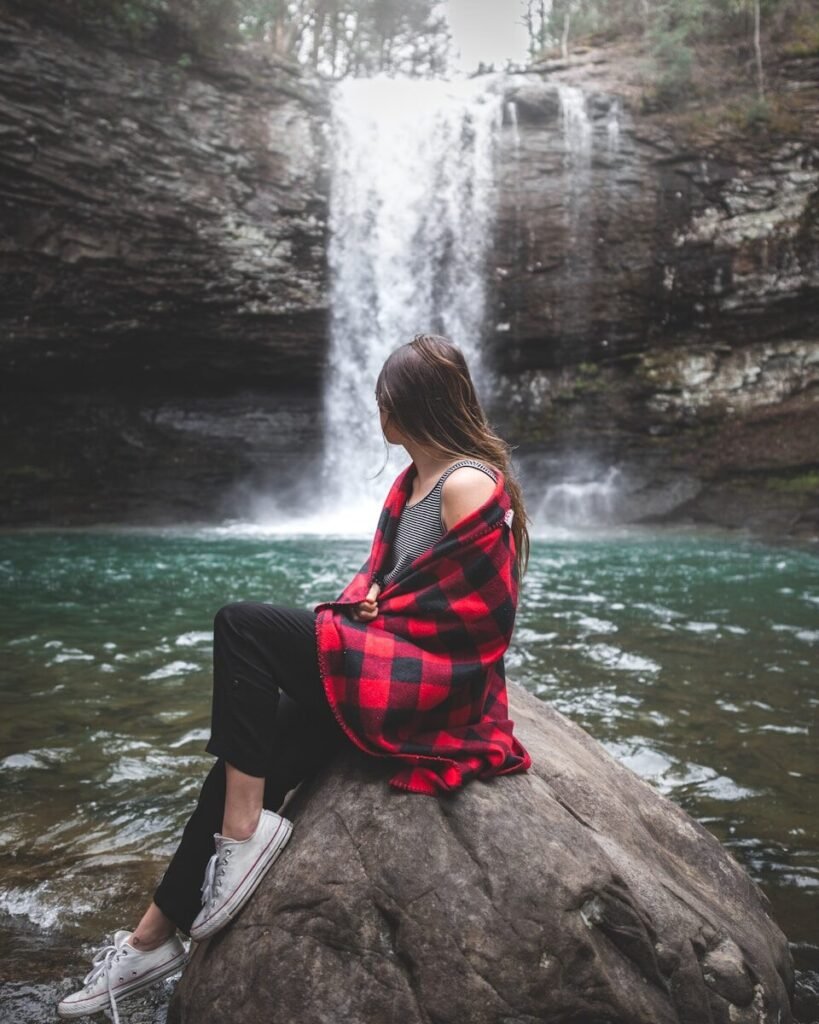
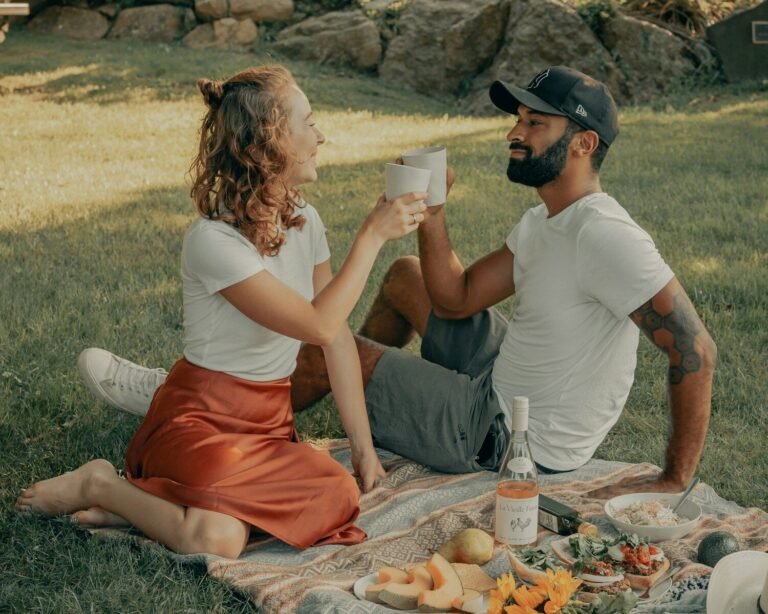
Make sandwiches at home, grab a blanket, and find a waterfall trail. Eat lunch or an early dinner at the base of the falls or on a flat rock nearby.
Waterfalls are naturally romantic. The sound of the water fills in the silence so it never feels awkward. And the photos are always good.
Cost is $5 to $15 depending on what you pack.
On AllTrails, filter by the “waterfall” feature to find options near you. Check the trail reviews before you go, because weekday mornings are much quieter than weekends.
3. Wildflower or Foliage Hunt
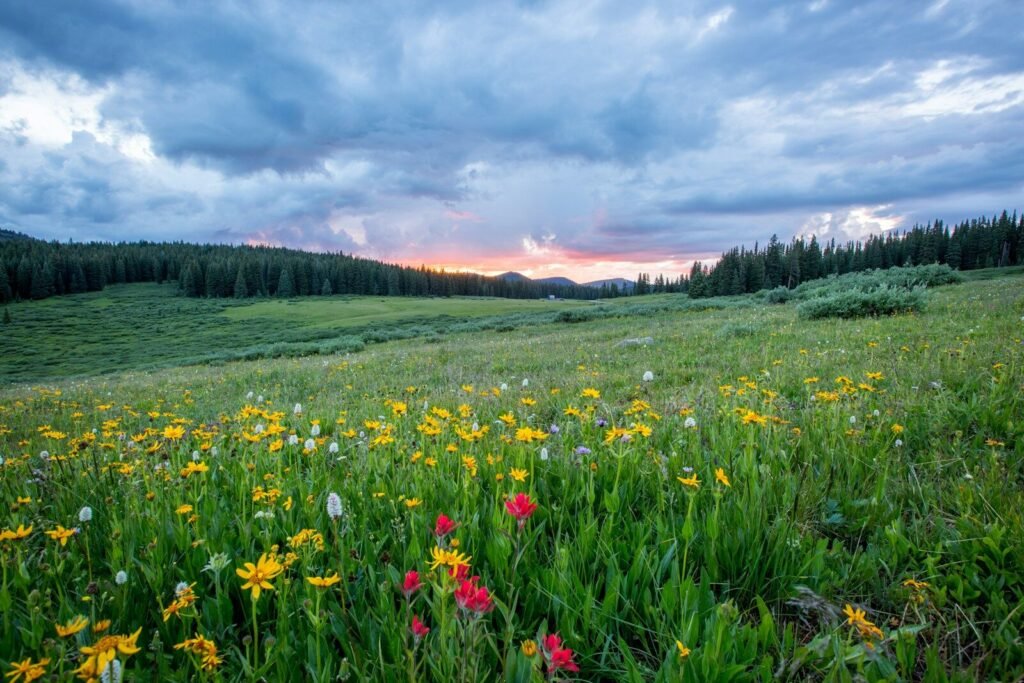
Choose a trail that is known for spring wildflowers or fall color. Turn it into a friendly competition. See who can spot and identify the most species during your hike.
This one changes completely with the seasons. The same trail in April looks nothing like it does in October. So you can do this one over and over and it never feels like a repeat.
Cost is free.
Download the iNaturalist app before you go. It is free. You take a photo of a plant or flower and it tells you what it is in real time. This makes the identification game actually playful instead of frustrating.


4. Geocaching Adventure
Geocaching is a real-life treasure hunt. Thousands of small hidden containers, called caches, are scattered along trails and in parks across the country. You use GPS coordinates to find them.
Some caches have tiny trinkets inside that you can trade. All of them have a log sheet to sign. Finding one feels surprisingly satisfying, even if it is just a small plastic container tucked under a rock.
Cost is free with a basic account at Geocaching.com.
Start with Traditional cache types, which are marked with a green icon. They are the most straightforward for first-timers and have the best payoff.
5. Stargazing Hike or Drive
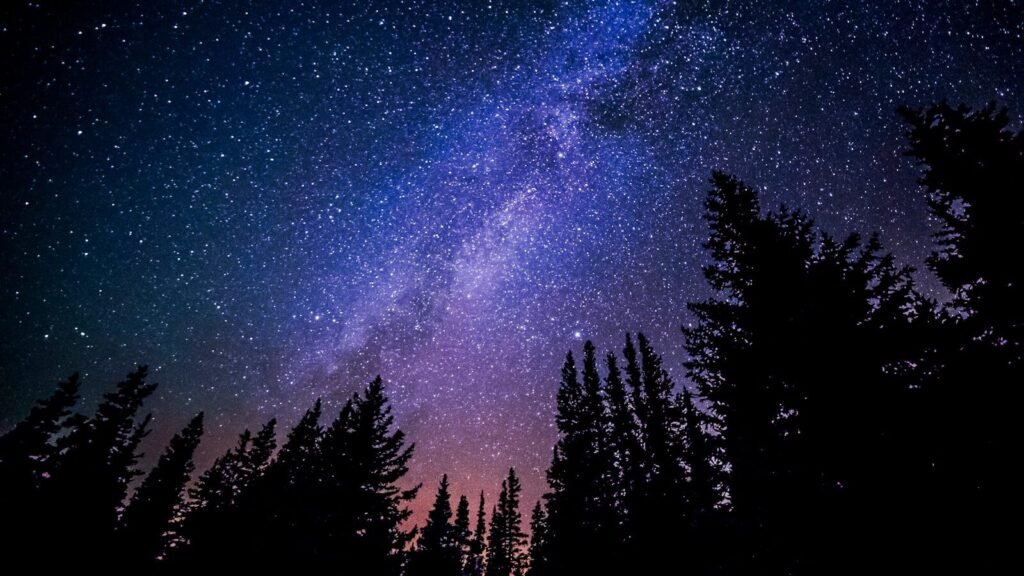
Drive to a rural area with low light pollution or hike to a dark overlook. Bring a blanket, snacks, and a free stargazing app like Sky Map or Stellarium. Lie on your backs and name constellations together.
This date is slow and quiet in the best way. There is nothing to rush toward. The conversation gets deep pretty naturally when you are staring at the Milky Way.
Cost is free to $10 for gas and snacks.
Check lightpollutionmap.info before you go. It shows you exactly how far you need to drive to get away from city light. Sometimes it is only 20 or 30 minutes.
6. National Park Free Entrance Day
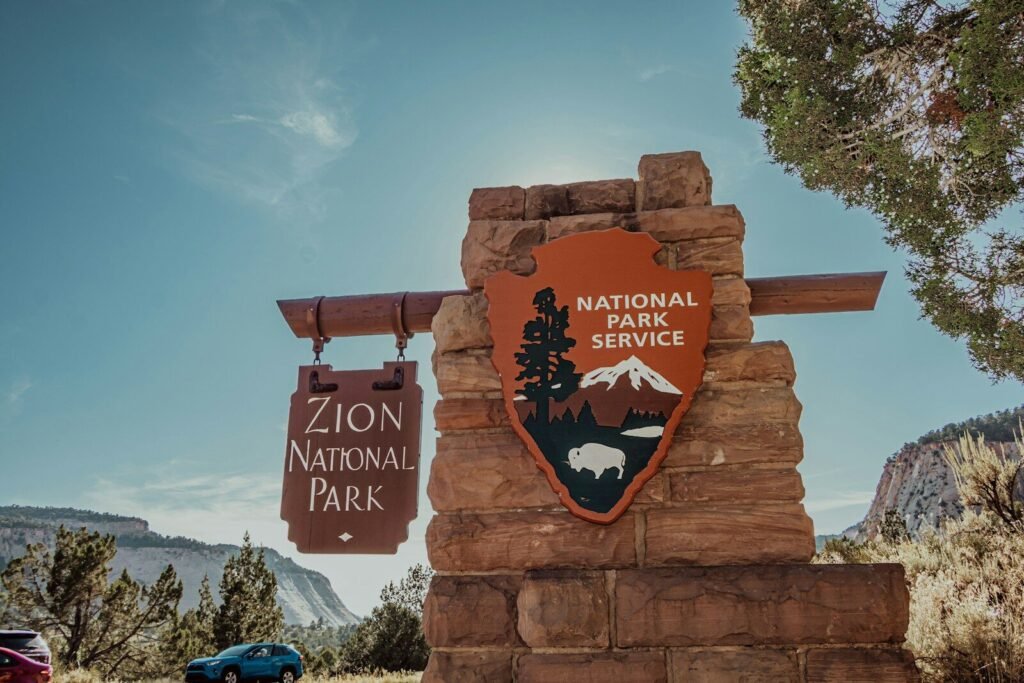
The National Park Service offers several free entrance days each year. Recent years have included Martin Luther King Jr. Day, the first day of National Park Week, Juneteenth, and Veterans Day. Entrance fees normally run $15 to $35 per vehicle.
Cost is free on those specific days.
Check nps.gov for the current year’s dates and plan a few weeks ahead. Popular parks like Yellowstone or Zion fill up fast, even mid-week. Less famous parks are often just as beautiful and much less crowded.
7. State Park Day Trip
Most state parks charge $5 to $10 per vehicle and offer miles of well-maintained trails, lakes, and lookout points. Many are within an hour of major cities.
This is the most underused option on this list. People drive right past their state parks for years without stopping.
Cost is $5 to $10 per visit.
Search for your state’s park system online and look for day use fees. Many states offer annual passes for $50 to $80. If you go more than six or eight times, the pass pays for itself. Some state parks also have free beach or swimming access that you would normally pay extra for elsewhere.
8. Riverside or Lakeside Walk
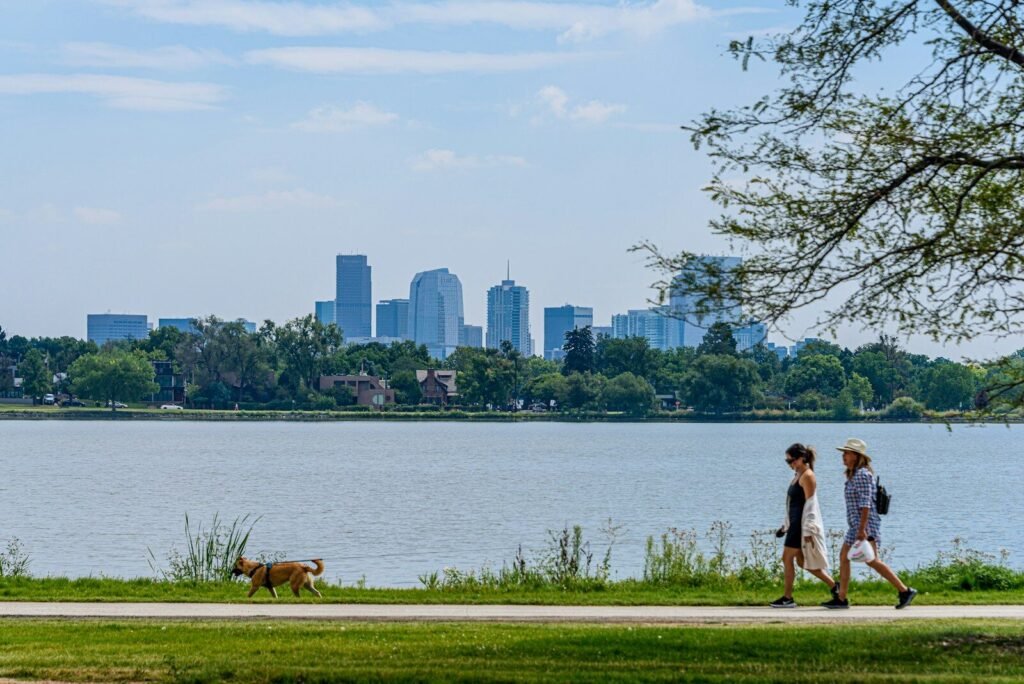
Find a public trail that follows a river or wraps around a lake. Walk, skip stones, and find a good spot to sit and eat something on the water’s edge.
Marine biologist Wallace Nichols spent years studying the effect of water on mood. His research, published in the book Blue Mind, found that being near water makes people measurably calmer and happier. You do not need to do anything special. Just being next to it is enough.
Cost is free.
Google your city name plus “river trail” or “lake walk” to find public access paths. AllTrails also has a filter for water features.
9. Trail Campfire Cooking
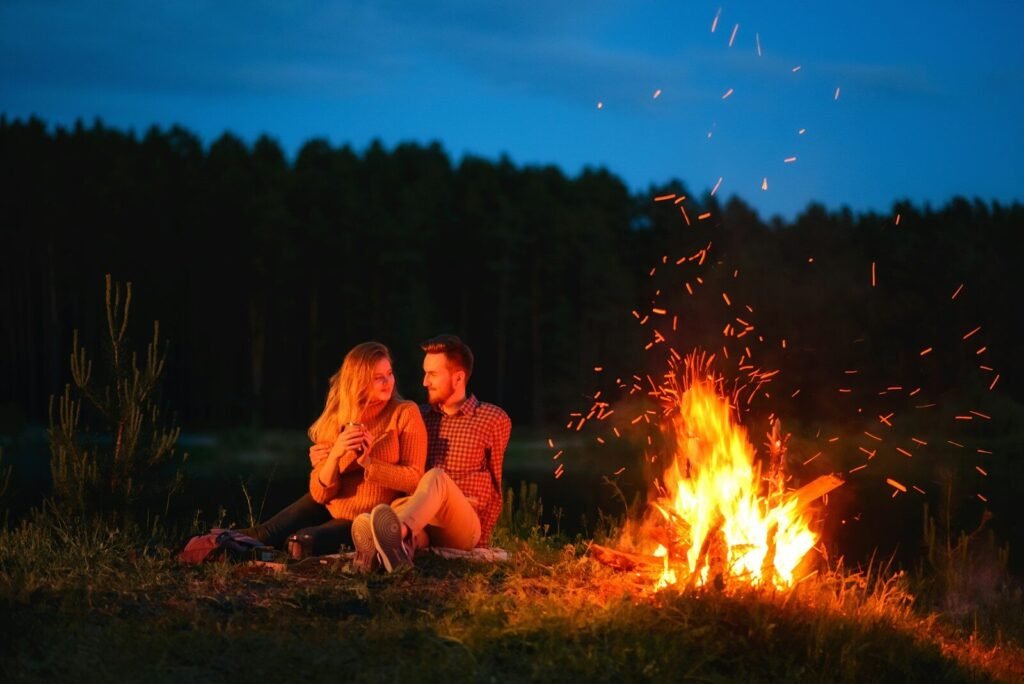
Find a park or forest area with established fire rings and cook a meal together outdoors. Foil packet meals work well because you prep everything at home and just place them in the coals. Hot dogs and s’mores are the low-effort version.
Cooking over a fire together is different from cooking in your kitchen. It is slower. You both have a job to do. You are problem-solving together. That process builds something real.
Cost is $10 to $20 for food.
Check fire rules before you go. Many areas list open fire permits on their official websites. Recreation.gov also has information on what is allowed across federal lands.
10. Bird Watching Morning
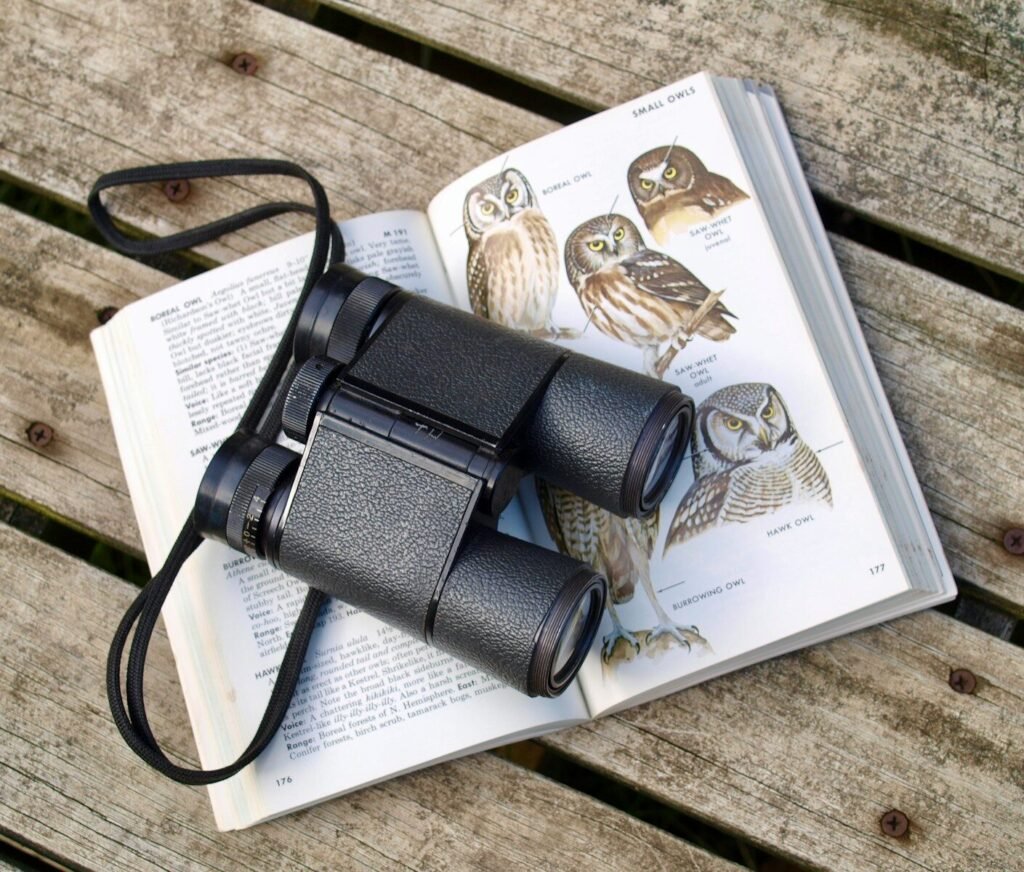
Pick a trail near a wetland, meadow, or forest edge. Challenge each other to identify 10 birds before you get back to the car. No binoculars needed to start.
Most people are shocked how many birds they have been walking past without noticing. Once you start looking, you can not stop.
Cost is free.
Download the Merlin Bird ID app from Cornell Lab. It is free and it identifies birds from a photo or by recording the sounds around you. The Audubon Society also has a free tool at audubon.org to find local birding spots and organized walks near you.
11. Photography Hike
Both of you bring your phones and pick a theme before you start. Textures. Shadows. Things smaller than your hand. Reflections in puddles. Spend the hike shooting your five best photos for that theme, then compare them at a coffee shop after.
This is one of those dates that sounds simple but changes how you both see the same trail. You will each notice completely different things.
Cost is free, plus coffee if you want it.
Use the photos section inside AllTrails trail reviews to preview the scenery before you choose a trail. This helps you pick a location that suits your theme.
12. Winter Snow Hike
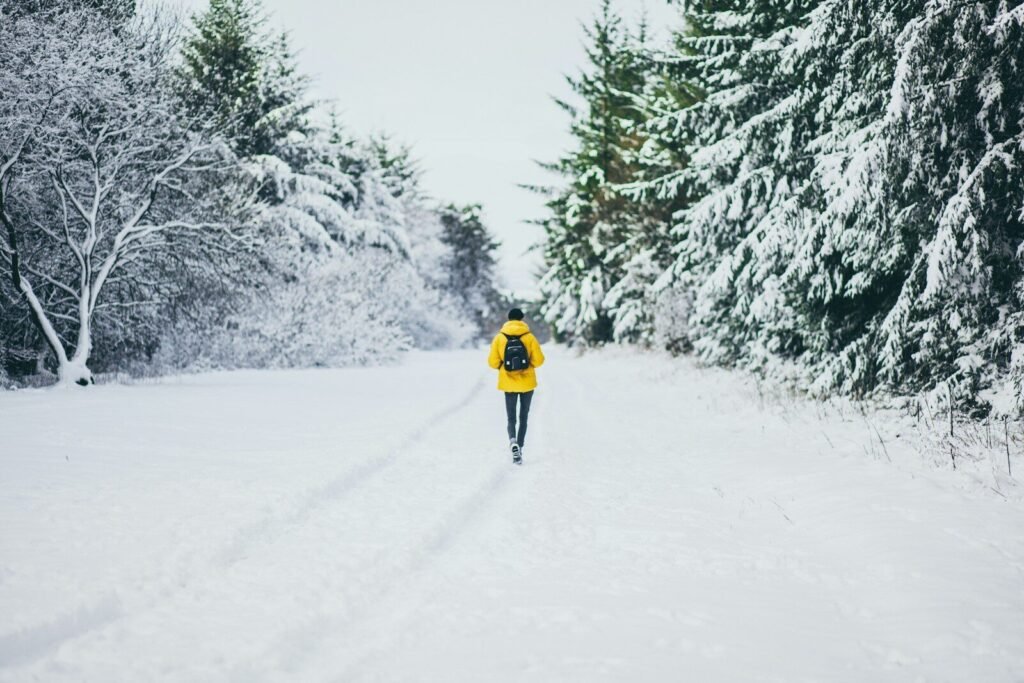
Do not put hiking away when the weather gets cold. A trail you have walked a dozen times looks completely different under fresh snow. The crowds disappear. The sounds change. It is quieter than any other time of year.
Bring hand warmers and a thermos of hot chocolate. Dress in layers. That is really all you need.
Cost is free, plus hand warmers if you want them, which run about $3 for a pack.
Check AllTrails reviews before a winter hike for recent condition reports. Other hikers usually leave notes about ice, snow depth, and whether the trail is passable.


13. Foraging Walk
Learn to identify two or three safe, easy plants on your next hike. Blackberries, wild ramps, and dandelion greens are good starting points because they are hard to confuse with anything harmful.
This one feels like a survival skill and a treasure hunt at the same time. When you find something edible and you both know exactly what it is, there is a small but real feeling of accomplishment.
Cost is free to $5.
Use iNaturalist to help with identification. Many local nature centers also offer free seasonal foraging walks. A firm rule to follow: never eat anything unless you are completely certain of the identification. When in doubt, leave it.
14. Trail Running or Fast Hiking Date
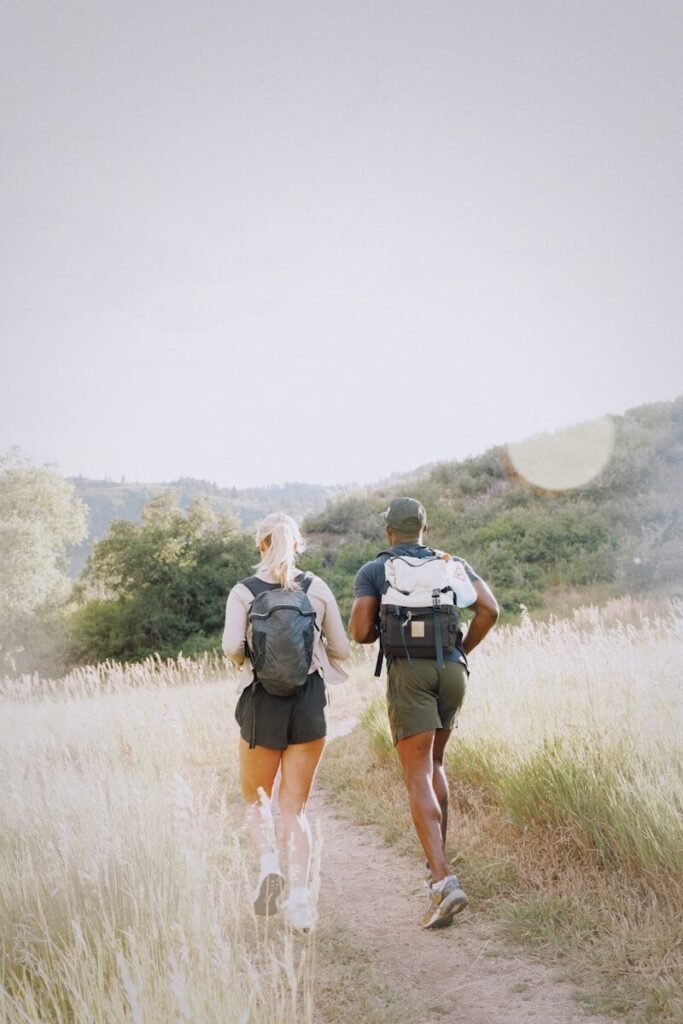
If you are both active, pick a trail that is 5 to 8 miles and set a goal. Try to reach the summit in under two hours. Run the last mile together. Celebrate at the trailhead with cold drinks from a cooler in your car.
Physical effort together does something to a relationship. Endorphins go up. You cheer each other on. You share the discomfort of tired legs and the reward of finishing.
Cost is free.
AllTrails has a filter for “running-friendly” trails. Check the elevation gain before you go to make sure the trail matches both of your fitness levels. Picking a trail that is too hard for one person kills the fun.
15. Overnight Hammock Camping
This one takes a little more planning but the payoff is real. A basic hammock costs $30 to $60 as a one-time purchase. Many national forests allow dispersed camping for free, meaning you can set up anywhere within the forest boundary that meets basic rules.
Waking up outdoors together is a completely different experience from waking up at home. You hear the birds before you open your eyes. There is no Wi-Fi. It is just the two of you.
Cost is free to $10 per night for camping fees, plus the hammock if you do not have one.
Use Recreation.gov to find dispersed camping areas near you. The site is free to browse and shows you what is allowed in each forest or wilderness area.
16. Botanical Garden or Arboretum Visit

A botanical garden is a curated outdoor space full of labeled plants, trees, and flowers. Many are publicly funded and free to visit year-round. Others charge a small entry fee of $5 to $10.
This is a great option when you want the beauty of being outside without a strenuous hike. It works in most seasons, including early spring and late fall when trails can be muddy or icy.
Cost is free to $10.
Search your city name plus “arboretum free admission” or “botanical garden free days.” University arboretums are often fully free and beautiful.
17. Nature Journaling Date
Bring two cheap blank notebooks and a small set of colored pencils. Find a scenic spot, whether that is a meadow, a creekside rock, or a hilltop. Each of you spends 20 minutes drawing or writing what you observe. No art skill required. Then share what you noticed.
This date is rare because it asks both of you to be still and quiet together before connecting. Most couples almost never do that.
Cost is $5 to $10 for notebooks and pencils, which you can use many times.
Sit somewhere with a view rather than on a bench at a trailhead. The setting matters. Cornell Lab’s website at birds.cornell.edu has free nature journal prompts if you want a little structure.
18. Cloud Watching and Blanket Date

Pack a blanket and something to eat. Find an open hill or meadow with a wide view of the sky. Lie on your backs and watch the clouds. That is it.
This sounds almost too simple. But it is one of those dates that ends up being more memorable than something you spent $100 on. There is no task to complete. Nowhere to be. Just the two of you outside together.
Cost is free.
Google your city name plus “open field park” or use Google Maps satellite view to spot grassy open areas near you. AllTrails can also help you find shorter trail options that lead to a meadow or hilltop.
19. Local Waterfall or Covered Bridge Hunt
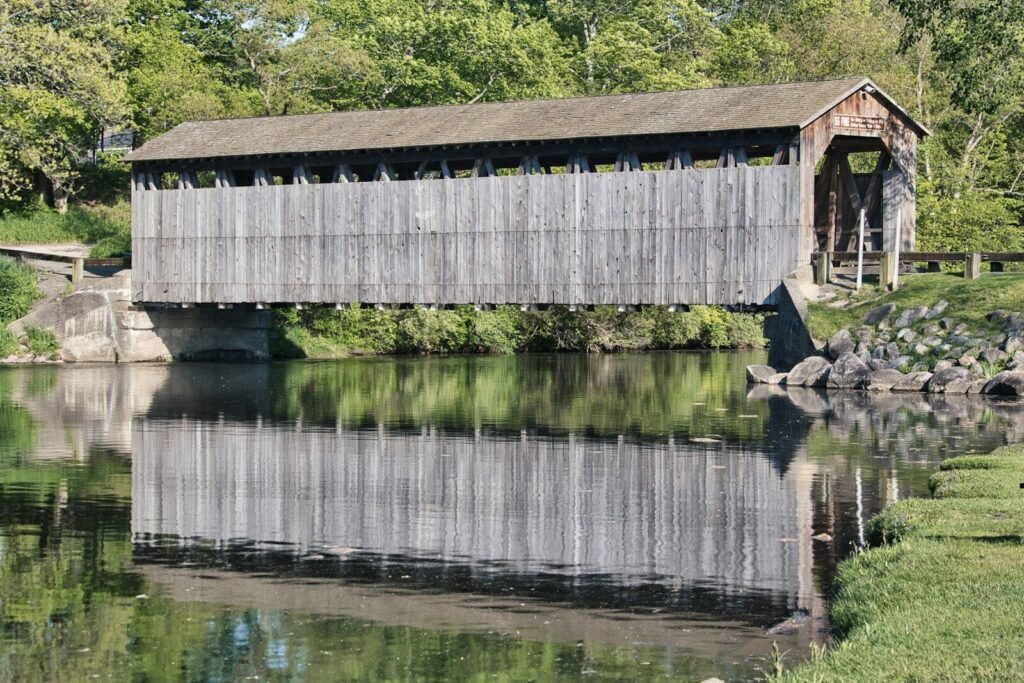
Research two or three lesser-known waterfalls or historic covered bridges in your region and make a road trip out of finding them all in one day. Pack snacks and stop for a cheap lunch along the way.
Most people have no idea how many hidden natural landmarks are within two hours of them. This date makes you feel like you are exploring somewhere new without leaving your home state.
Cost is mainly gas money.
Search your state name plus “hidden waterfalls” to find options bloggers and hikers have documented. WaterfallsOfAmerica.com also has a free searchable directory organized by state.
20. Volunteer Trail Maintenance Day
The American Hiking Society and many local trail organizations host free volunteer events throughout the year. You show up with work gloves and spend a few hours clearing brush, fixing erosion damage, or painting trail blazes. No experience needed.
This one might sound like work. And it is. But working physically alongside your partner toward something that benefits other people creates a feeling that regular dates just do not match.
Cost is free. Many events include snacks or a meal from the organizers.
Check americanhiking.org/volunteer to find events near you. Local trail coalitions often post volunteer days on Facebook or Meetup as well.
How to Make Any Outdoor Date Feel Intentional
A hike is just a hike unless you put a little thought into it. Here are a few things that make any of these dates feel like a real date and not just a walk.
Pack one small thing that shows you thought about it. That might be their favorite snack, a handwritten note tucked into the trail mix, or a playlist for the drive over. It does not need to cost anything.
Leave your phone in your pocket for the first 30 minutes. Not in your hand. In your pocket. You will be surprised how quickly the conversation picks up.
Set a small shared goal before you start. “We are going to find the waterfall.” “We are going to identify five birds.” “We are going to reach the overlook before sunset.” A shared goal turns a walk into an experience.
Bring something to mark the end of the date. A coffee on the drive home, cooking dinner together from something you foraged or bought at a roadside farm stand, or printing one photo from the hike and putting it somewhere you will see it. Small rituals make memories stick.
Free Tools That Make Outdoor Dates Easy to Plan
You do not need a paid app or expensive gear to do any of this. These free tools cover everything.
AllTrails has over 500,000 trails searchable by location, difficulty, and features like waterfalls, views, or dog-friendly paths. The free base plan is enough for almost everything on this list.
iNaturalist identifies plants, animals, and fungi from a photo in real time. Perfect for foraging walks and wildflower hunts.
Merlin Bird ID is a free app from Cornell Lab. It identifies birds by photo or by recording the sounds around you. It genuinely works and it is easy to use.
Geocaching.com has a free basic account that lets you find hidden caches near any trail. Start with Traditional caches for the best beginner experience.
The National Park Service at nps.gov lists free entrance days for the current year. Planning around those dates saves $15 to $35 per visit.
Recreation.gov is free to browse and shows camping availability, dispersed camping rules, and permit systems across federal lands.
Lightpollutionmap.info shows you the nearest dark sky zones from your location. Use it before any stargazing date to figure out how far you need to drive.
The American Hiking Society at americanhiking.org/volunteer lists free trail volunteer events across the country, organized by region.
The Best Date You Have Had Probably Did Not Cost Much
Think back on a date you still talk about. There is a good chance it was not the most expensive one. It was the one where something unexpected happened. Where you were both fully present. Where you laughed at something that could not have been scripted.
That is what outdoor dates do. They remove the restaurant noise and the movie screen and the check at the end. They put you in a setting that is interesting by itself, so you do not have to work as hard to fill the silence.
Pick one idea from this list right now. Not next month. This weekend. Screenshot it or save it. Look up the nearest trail on AllTrails while you are reading this.
You do not need a special occasion. You just need a trail and a person you like.
Which one are you planning first? Leave a comment below.